


Pressure Vessel Manufacturer in India: A Complete Guide to Types, Manufacturing, and Safety

Pressure vessels are important equipment used in many industrial systems. They are designed to store or handle gases and liquids under pressure. Common examples include air receiver tanks, storage vessels, and process vessels.
Choosing a reliable Pressure Vessel Manufacturer in India is important for safe operation, long service life, and consistent performance. A good manufacturer focuses on material quality, proper design, accurate fabrication, testing, and safety requirements.
This guide explains pressure vessel types, manufacturing steps, applications, safety points, and how pressure vessels work with compressed air systems.
Quick Answer: What Is a Pressure Vessel?
A pressure vessel is a container designed to hold gases or liquids at a pressure different from the surrounding atmosphere. It is commonly used in compressed air systems, manufacturing plants, chemical industries, refrigeration systems, and other industrial applications.
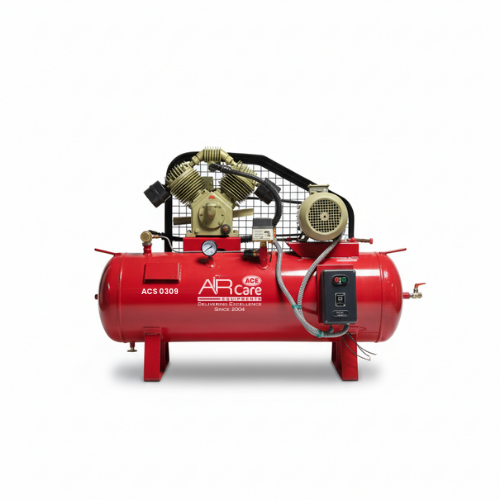
An air receiver tank is one of the most common types of pressure vessels used with air compressors. It stores compressed air, reduces pressure fluctuations, and helps meet short-term changes in air demand.
What Is a Pressure Vessel Manufacturer in India?
A Pressure Vessel Manufacturer in India designs and manufactures vessels according to the required capacity, operating pressure, material, application, and safety requirements.
Manufacturing normally involves several stages:
Understanding application requirements
Selecting suitable materials
Preparing engineering drawings
Cutting and forming metal plates
Welding and fabrication
Inspection and testing
Surface treatment and finishing
Final quality checks
The exact manufacturing process can vary according to vessel size, design, pressure rating, and application.
Types of Pressure Vessels
Pressure vessels are available in different designs based on their intended use.
Air Receiver Tank
An air receiver tank stores compressed air after it leaves the compressor. It helps maintain a stable air supply and reduces frequent compressor loading and unloading.
Air receiver tanks are widely used with screw type air compressor systems and reciprocating compressors.
Storage Pressure Vessels
These vessels are designed to store gases or liquids under controlled pressure. Their design depends on the stored medium and required operating conditions.
Process Vessels
Process vessels are used in industrial processes where materials may need to be stored, mixed, heated, cooled, or processed under pressure.
Vertical and Horizontal Vessels
Pressure vessels can also be classified by their installation position. Vertical vessels save floor space, while horizontal vessels may be preferred for certain storage and process applications.
How Are Pressure Vessels Manufactured?
A professional manufacturer follows a controlled fabrication process to achieve reliable performance.
1. Design and Engineering
The first step is to determine the required capacity, pressure, temperature, material, dimensions, and application. Engineering calculations help establish the vessel design.
2. Material Selection
Materials must be selected according to operating conditions. Steel and other suitable materials may be used depending on the application and design requirements.
3. Cutting and Forming
Metal plates are cut according to engineering drawings. The components are then formed into the required shapes.
4. Welding and Fabrication
The prepared sections are joined using appropriate welding procedures. Proper welding is important because joints are critical parts of a pressure vessel.
5. Inspection and Testing
The finished vessel should undergo appropriate inspections and pressure-related tests as required by the applicable design and safety standards.
6. Finishing
After testing and inspection, the vessel may receive surface treatment, painting, identification markings, and other finishing work.
Pressure Vessels in Compressed Air Systems
Pressure vessels play an important role in compressed air systems. An air compressor produces compressed air, while the receiver tank stores part of that air for later use.
This arrangement can provide several operational benefits:
More stable compressed air supply
Reduced pressure fluctuations
Better handling of peak air demand
Reduced compressor cycling
Improved system efficiency
The correct receiver size depends on factors such as compressor capacity, pressure, air demand, and system design.
Air Compressor Uses and Pressure Vessel Applications
Compressed air systems are used in many industries. Common air compressor uses include:
Pneumatic tools
Manufacturing machinery
Automotive workshops
Packaging equipment
Spray painting
Material handling
Pharmaceutical production
Food and beverage processing
Textile machinery
In these systems, pressure vessels and air receiver tanks can support reliable compressed air storage and distribution.
Role of Air Compressor Parts in a Pressure System
A compressed air system contains several components that work together. Important air compressor parts may include filters, valves, pressure switches, separators, coolers, lubricating components, and control systems.
The pressure vessel or receiver tank is another important component because it provides compressed air storage.
Using compatible components and maintaining them correctly helps improve overall system reliability.
Air Compressor Maintenance and Pressure Vessel Safety
Regular air compressor maintenance is important for safe and efficient operation. The compressor, receiver tank, valves, gauges, drains, and connecting pipelines should be checked according to the equipment manufacturer's recommendations and applicable safety requirements.
Important maintenance practices include:
Inspecting the vessel and connections
Checking pressure gauges
Checking safety devices
Removing accumulated moisture where applicable
Inspecting for corrosion
Checking weld areas for visible damage
Maintaining the connected air compressor
Following scheduled inspection requirements
Any abnormal pressure, leakage, corrosion, deformation, or unusual noise should be investigated by qualified personnel.
Connection With Other Industrial Equipment
Pressure vessels are often used alongside other industrial equipment.
For example, an air compressor dealer may supply compressed air equipment that works with an air receiver tank, dryer, filters, and distribution pipelines.
Similarly, a water chiller manufacturer in India may provide cooling equipment for industrial processes where controlled temperature is required. The pressure vessel, compressor, cooling system, and other equipment should be selected according to the complete application rather than as isolated components.
How to Choose a Pressure Vessel Manufacturer in India
Before selecting a Pressure Vessel Manufacturer in India, consider the following points:
Manufacturing Experience
Check whether the manufacturer has experience with vessels designed for your industry and operating conditions.
Engineering Capability
A capable manufacturer should understand vessel design, material selection, fabrication, and testing requirements.
Material Quality
Ask about the materials used and whether they are suitable for the intended pressure, temperature, and service conditions.
Testing and Inspection
Ask about the inspection and testing procedures followed during manufacturing.
Customization
Industrial requirements can vary. Check whether the manufacturer can provide vessels according to required capacity, dimensions, pressure rating, and installation conditions.|
After-Sales Support
Good technical support can help with installation, maintenance, inspection, and long-term equipment performance.
Why Choose Air Care Equipment?
Air Care Equipment provides industrial equipment solutions for compressed air and related applications. Its product range includes air compressors, air dryers, vacuum pumps, pressure vessels, and other industrial equipment.
For businesses looking for a Pressure Vessel Manufacturer in India, selecting equipment based on application, operating pressure, capacity, material, and safety requirements is essential.
Air Care Equipment focuses on quality-controlled manufacturing and practical industrial solutions to support different compressed air and process requirements.
Pressure Vessel vs Air Receiver Tank
Feature | Pressure Vessel | Air Receiver Tank |
Main purpose | Storage or process applications under pressure | Storage of compressed air |
Applications | Multiple industries | Compressed air systems |
Design | Depends on application | Designed for compressed air storage |
Installation | Vertical or horizontal | Vertical or horizontal |
Key consideration | Pressure, temperature, medium, design | Air demand, pressure, capacity and safety |
An air receiver tank is therefore a specific type of pressure vessel used in compressed air applications.
Safety Tips for Pressure Vessels
Safety should always be a priority when operating pressure equipment.
Follow these basic practices:
Use the vessel only within its specified operating conditions.
Do not bypass or disable safety devices.
Inspect the vessel regularly.
Monitor pressure and temperature where applicable.
Check for corrosion, leaks, cracks, or deformation.
Follow the manufacturer's maintenance instructions.
Ensure required inspections are performed by qualified professionals.
Keep accurate maintenance and inspection records.
Frequently Asked Questions
What does a pressure vessel manufacturer do?
A pressure vessel manufacturer designs, fabricates, inspects, and tests vessels used to store or process gases and liquids under pressure.
What is an air receiver tank?
An air receiver tank is a pressure vessel used to store compressed air. It is commonly installed as part of an industrial compressed air system.
Why is pressure vessel safety important?
A pressure vessel operates under pressure, so correct design, manufacturing, inspection, maintenance, and operation are essential for safe and reliable performance.
Can a pressure vessel be used with a screw type air compressor?
Yes. An air receiver tank can be used with a screw type air compressor as part of a properly designed compressed air system. The vessel should be selected according to system pressure, capacity, air demand, and applicable requirements.
How often should pressure vessels be inspected?
Inspection frequency depends on the vessel design, service conditions, applicable regulations, and manufacturer's recommendations. A qualified professional should determine the appropriate inspection schedule.
Final Thoughts
A pressure vessel is an important component in many industrial applications. From compressed air storage to process applications, the right vessel can support safe and reliable plant operation.
When choosing a Pressure Vessel Manufacturer in India, consider engineering capability, material quality, fabrication practices, testing, safety requirements, customization, and after-sales support.
For compressed air systems, the pressure vessel should also be selected as part of the complete system, including the compressor, air dryer, filters, valves, and distribution network. Air Care Equipment can be considered for industrial compressed air and pressure equipment requirements based on the specific application.



Comments