


Use of Compressor: Common Applications, Benefits and Working Principles
Compressed air plays an important role in modern industries. It helps operate tools, control machines, support production, and improve workflow in factories and workshops. From automotive repair to food processing, compressed air is used in many applications because it provides a convenient source of power for pneumatic equipment.
Understanding the use of compressor helps businesses choose suitable equipment, improve productivity, and manage operating costs. Different industries require different air pressure levels, airflow capacities, and air quality standards. Selecting the right compressor depends on these requirements.
In this guide, we explain the major applications of compressors, how they work, the different types available, and the factors to consider when choosing a suitable system.
What Is a Compressor and How Does It Work?
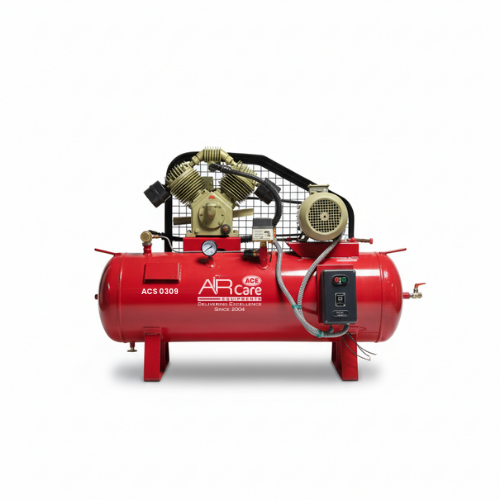
A compressor is a machine that increases the pressure of air by reducing its volume or adding energy to the moving air. It draws air from the surroundings, compresses it, and supplies it to connected equipment.
An air compressor may use a piston, rotating screw elements, or another mechanism to generate compressed air.
The process generally includes air intake, compression, cooling, and delivery. Depending on the application, the compressed air may pass through filters, dryers, and an air receiver tank before reaching the point of use.
What Is the Use of Compressor in Different Industries?
The use of compressor extends across many industries because compressed air can operate equipment and support a wide range of production activities.
1. Manufacturing and Production
Factories use compressors to operate pneumatic tools, cylinders, valves, and automated machinery. Compressed air can help move materials, control equipment, and support assembly lines.
A suitable compressor helps maintain the required air supply during production. The correct capacity depends on the number of machines operating at the same time and their individual airflow requirements.
2. Automotive Workshops
Automotive workshops use compressed air for tyre inflation, cleaning, spray painting, and operating pneumatic tools. Impact wrenches and other air-powered tools can help technicians complete repair and maintenance tasks efficiently.
The compressor must provide enough airflow and pressure for the tools being used. Proper filtration and moisture control are particularly important for applications such as painting.
3. Food and Beverage Processing
Compressed air can support packaging equipment, pneumatic controls, conveying systems, and other food production processes.
Air quality is especially important in this industry. Where compressed air may contact food or product-contact surfaces, the system must meet the relevant hygiene and contamination-control requirements. Suitable compressors, filters, and dryers should be selected according to the application.
4. Pharmaceutical Manufacturing
Pharmaceutical facilities may use compressed air for packaging, automated equipment, instrumentation, and other controlled processes.
Some applications require strict limits on oil, moisture, and particles. An oil-free compressor may be appropriate where oil contamination must be controlled, but the complete air treatment system must also meet the required air quality standards.
5. Construction and Infrastructure
Construction teams use compressed air to operate certain pneumatic tools, including breakers, drills, and other equipment designed for compressed air.
The compressor must match the tool's pressure and airflow requirements. For mobile applications, users should also consider portability, site conditions, fuel or electrical supply, and maintenance needs.
6. Packaging and Printing
Compressed air helps operate pneumatic cylinders, actuators, valves, and automated packaging equipment. It can support product handling, filling, sealing, and other production activities.
A consistent air supply helps reduce interruptions. Businesses should assess the required pressure, air quality, and demand variations before selecting equipment.
7. Textile and Engineering Industries
Textile facilities and engineering workshops use compressed air for pneumatic controls, production machinery, cleaning applications, and other industrial tasks.
The compressor type depends on operating hours, airflow requirements, and the working environment. Regular maintenance helps keep equipment reliable and supports consistent production.
What Are the Main Types of Compressor?
Different compressor designs are suited to different applications. Understanding the types of compressor helps businesses make better purchasing decisions.
Piston Compressor
A piston compressor uses a piston moving inside a cylinder to compress air. It is often suitable for workshops, maintenance operations, and applications with intermittent air demand.
Screw Compressor
A screw compressor uses rotating screw-shaped elements to compress air. It is commonly used in factories and other facilities that require a steady supply of compressed air.
Single-Stage Compressor
A single stage compressor compresses air in one stage. It can suit many general-purpose applications when its pressure, airflow, and duty cycle match the requirements.
Two-stage compressors compress air in two stages, usually with cooling between them. They can be suitable for applications that require higher pressure or different efficiency characteristics.
Oil-Free Compressor
An oil-free compressor is designed to prevent lubricating oil from entering the compression chamber. It may be suitable for applications that require carefully controlled air quality.
The final choice should depend on the required purity, operating pressure, airflow, and the treatment equipment installed downstream.
What Is the FRL Full Form in Compressed Air Systems?
The FRL full form is Filter, Regulator, and Lubricator. An FRL unit prepares compressed air for pneumatic equipment.
Filter: Removes certain particles and separates some moisture, depending on its design.
Regulator: Controls the downstream air pressure.
Lubricator: Adds a controlled amount of oil when the connected equipment requires lubrication.
FRL units are commonly used with pneumatic tools, cylinders, valves, and automation equipment. However, a lubricator should not be used where the application requires oil-free air.
Benefits of Using Compressors
Compressors offer several practical benefits when correctly selected and maintained.
Improved productivity: Compressed air powers tools and equipment that support industrial production.
Flexible applications: Different compressor types can serve small workshops, manufacturing facilities, and specialised industrial processes.
Automation support: Pneumatic systems use compressed air to control valves, cylinders, and machine movements.
Reliable operation: A correctly sized system can provide the required airflow and pressure for connected equipment.
Better process control: Suitable filtration, drying, and pressure regulation help meet the needs of specific applications.
Actual performance depends on the compressor design, installation, maintenance, and overall system requirements.
How to Choose the Right Compressor
Before purchasing a compressor, consider the following factors:
Airflow requirements: Calculate the total air consumption of connected tools and machines.
Working pressure: Choose equipment that meets the required pressure at the point of use.
Operating hours: Consider whether the machine will run intermittently or continuously.
Air quality: Determine whether the application needs oil-free air, filtration, or drying.
Energy efficiency: Compare expected power consumption under actual operating conditions.
Maintenance support: Check service availability, spare parts, and recommended maintenance intervals.
Avoid selecting equipment based only on motor horsepower or purchase price. A complete assessment of the compressed air system can help prevent unnecessary energy consumption and production interruptions.
Compressor Solutions from Air Care Equipment
Air Care Equipment offers compressed air products for a range of industrial and commercial requirements. Businesses can evaluate piston compressors, screw compressors, oil-free compressors, high-pressure compressors, air dryers, and related equipment according to their applications.
Selecting the correct compressor begins with understanding the tools and machines that will use the air. Proper installation, suitable air treatment, and regular maintenance also contribute to reliable operation.
Frequently Asked Questions
What is the main use of a compressor?
A compressor increases air pressure to power pneumatic tools, operate machinery, support automation, and assist with various industrial processes.
Which industries use air compressors?
Manufacturing, automotive, food processing, pharmaceuticals, construction, packaging, textiles, and engineering industries use compressors for different applications.
Which compressor is suitable for industrial applications?
Piston compressors can suit intermittent demand, while screw compressors are commonly used for regular industrial air supply. The best choice depends on airflow, pressure, duty cycle, and air quality.
Why is air treatment important?
Compressed air may contain moisture, particles, or oil contaminants. Suitable filters and dryers help meet the air quality requirements of connected equipment and production processes.
Conclusion
The use of compressor equipment is essential across many industrial and commercial sectors. Compressors power tools, support automation, operate production machinery, and help businesses maintain efficient workflows.
Understanding the available compressor types, their working principles, and their applications makes equipment selection easier. Factors such as airflow, pressure, operating hours, and air quality should guide the decision. Components such as FRL units and appropriate air treatment equipment also help maintain system performance.
Air Care Equipment offers compressed air solutions that businesses can evaluate according to their operational requirements. With correct equipment selection and regular maintenance, companies can support reliable production and long-term efficiency.



Comments