


Oil Water Separator: Working, Benefits and Industrial Applications

Quick Answer
An oil water separator separates oil from water in compressed-air condensate and other suitable wastewater streams. In compressed-air systems, it helps reduce oil contamination before condensate is disposed of according to applicable local requirements. Choosing the right separator depends on the compressor type, condensate volume, oil content, and system operating conditions.
Introduction
Compressed-air systems are widely used in manufacturing plants, workshops, packaging facilities, and other industrial environments. During operation, moisture can collect in the compressed-air system. In oil-lubricated compressors, this condensate may also contain traces of compressor oil.
Discharging untreated oily condensate can create environmental and compliance concerns. An oil water separator helps address this issue by separating oil from water so the treated water can be managed appropriately.
Air Care Equipment understands the importance of reliable compressed-air systems and effective condensate management. Knowing how an oil water separator works can help businesses choose suitable equipment and maintain a cleaner, more efficient industrial setup.
What Is an Oil Water Separator?
An oil water separator is a device designed to separate oil from water in suitable condensate or wastewater streams. In compressed-air installations, it is commonly used to treat condensate collected from oil-lubricated air compressors, filters, and other system components.
The separator helps concentrate the separated oil for appropriate collection and disposal while allowing the treated water to be assessed for compliant disposal.
The equipment does not make every type of wastewater safe to discharge. Its suitability depends on the oil present, the separator's treatment capability, and the applicable environmental requirements.
How Does an Oil Water Separator Work?
The working principle of an oil water separator depends on its design. Many compressed-air condensate separators use oil-absorbing or coalescing filter media to separate oil from water.
The typical process involves the following steps:
Condensate collection: Water and oil traces collect in the compressed-air system and are discharged through condensate drains.
Condensate entry: The mixture enters the separator through its inlet.
Oil separation: Special filter media retain or concentrate oil while allowing water to pass through the treatment stages.
Oil collection: Separated oil remains in the appropriate collection area or filter media for handling.
Treated-water management: The outlet water is managed according to the manufacturer's specifications and applicable discharge requirements.
Actual performance depends on the separator design, condensate composition, flow rate, and maintenance condition.
Main Components of an Oil Water Separator
The components can vary between models, but a typical compressed-air condensate separator may include:
1. Inlet Connection
The inlet directs collected condensate into the separator for treatment.
2. Separation Chamber
This chamber provides the space needed for the separation process. Its design depends on the technology used.
3. Oil-Separating Filter Media
Special media help retain, absorb, or coalesce oil droplets so that oil can be separated from the water.
4. Water Outlet
The outlet carries treated water away from the unit. The water must meet the relevant disposal requirements before it is discharged.
5. Oil Collection or Retention Area
This area holds separated oil or oil-loaded media until it can be handled and disposed of appropriately.
Key Benefits of an Oil Water Separator
Helps Manage Compressor Condensate
An oil water separator provides a dedicated way to treat oily condensate generated by compatible compressed-air systems.
Supports Environmental Responsibility
Separating oil from condensate helps reduce the risk of releasing untreated oil-contaminated water into the environment. Businesses should still verify the quality of the treated water and follow applicable regulations.
Supports Cleaner Industrial Operations
A properly maintained separator makes condensate handling more organised and helps establish a consistent process for collecting and managing oil-contaminated waste.
Complements Compressed-Air System Maintenance
Condensate management is an important part of maintaining a compressed-air installation. Regular inspection of drains, filters, and separator media helps support dependable operation.
Where Are Oil Water Separators Used?
Oil water separators are used in facilities that generate oil-contaminated condensate or other suitable oil-and-water mixtures.
Common applications include:
Manufacturing plants
Automotive workshops
Engineering and fabrication facilities
Packaging and processing units
Industrial compressed-air installations
Facilities using oil-lubricated air compressors
The separator must be selected for the specific waste stream. Not all separators are suitable for every industrial oil or wastewater application.
How to Choose the Right Oil Water Separator
Selecting a suitable oil water separator requires an understanding of the compressed-air system and the condensate it produces.
Consider these factors before making a selection:
Compressor capacity: Review the size and number of compressors connected to the condensate system.
Condensate volume: Estimate the condensate produced under normal operating conditions.
Oil type: Check the lubricant and confirm that the separator is compatible with it.
Operating pressure and temperature: Verify the manufacturer's permitted operating conditions.
Treatment capacity: Choose a model designed for the expected condensate load.
Maintenance requirements: Check the recommended filter replacement schedule and service procedure.
Disposal requirements: Confirm the local requirements for treated water and separated oil.
Following the manufacturer's sizing instructions helps ensure that the separator can handle the actual condensate load.
Related Industrial Equipment for Efficient Operations
Oil water separators are one part of a wider industrial equipment setup. Other systems help manage vacuum generation, compressed-air storage, and electrical power quality.
Rotary Vane Vacuum Pump
A Rotary Vane Vacuum Pump removes gas from an enclosed space to create a vacuum. It is used in suitable industrial applications such as packaging, processing, and laboratory operations.
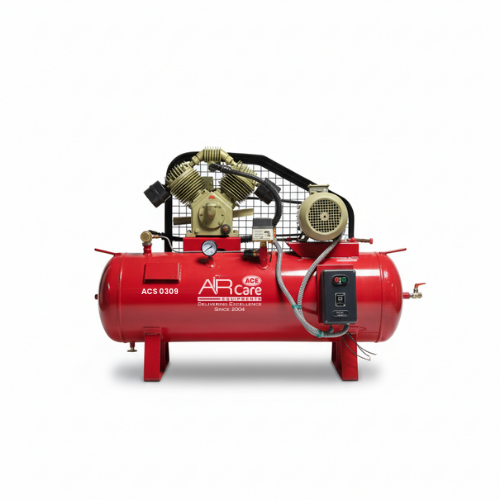
Air Compressor Tank
An air compressor tank stores compressed air and helps meet short-term demand variations. Correct sizing can also help reduce frequent compressor cycling in suitable systems.
Servo Voltage Stabilizer
A servo voltage stabilizer regulates voltage fluctuations within its rated operating range. It can support compatible industrial equipment by maintaining a more consistent power supply.
When planning an industrial installation, consider electrical protection, compressed-air storage, condensate treatment, and vacuum requirements separately to ensure that each system is suitable for its intended purpose.
Why Choose Air Care Equipment?
Air Care Equipment provides industrial equipment solutions for businesses that need reliable machinery and efficient operations. Proper equipment selection involves reviewing operating requirements, system compatibility, maintenance needs, and the conditions in which the equipment will be used.
For compressed-air installations, condensate management should be considered alongside compressor selection, air treatment, and routine servicing. Choosing suitable equipment and following maintenance recommendations can help businesses manage their systems more effectively.
Contact Air Care Equipment to discuss your industrial equipment requirements and identify a solution suited to your application.
Conclusion
An oil water separator is an important part of condensate management in many oil-lubricated compressed-air systems. It helps separate oil from water, supports responsible waste handling, and complements regular compressed-air system maintenance.
Before choosing a separator, assess condensate volume, oil type, treatment capacity, maintenance needs, and local disposal requirements. Air Care Equipment can help businesses explore industrial equipment requirements and related compressed-air solutions.
Frequently Asked Questions
1. What is the main purpose of an oil water separator?
Its main purpose is to separate oil from water in suitable condensate or wastewater streams, helping businesses manage oil-contaminated liquid responsibly.
2. Does an oil water separator remove all contaminants from water?
No. Its effectiveness depends on the separator technology and the contaminants present. Treated water must meet applicable disposal requirements before discharge.
3. How often should an oil water separator be maintained?
Maintenance frequency depends on the model, condensate load, oil type, and filter media. Follow the manufacturer's recommendations and inspect the unit regularly for signs of reduced performance.


Comments