


Medical Air Compressor Buying Guide: Types, Uses & Key Features

A Medical Air Compressor is an essential part of healthcare compressed air systems used in hospitals, dental clinics, laboratories, diagnostic centers, and pharmaceutical facilities. Unlike a standard industrial air compressor, a medical air compressor is designed to deliver clean, dry, and reliable compressed air for medical equipment and healthcare applications.
Choosing the right medical air compressor depends on air quality requirements, pressure, airflow capacity, compressor technology, and the type of medical application. This 2026 buying guide explains the different types of medical air compressors, their uses, key features, and important factors to consider before purchasing one.
What Is a Medical Air Compressor?
A medical air compressor is a compressed air system that supplies treated compressed air for healthcare applications. It compresses atmospheric air and delivers it through filtration, drying, and storage systems before distributing it to medical equipment.
A complete medical compressed air system typically includes:
Air compressor
Air filtration system
Air dryer
Air Receiver Tank
Pressure regulator
Control panel
Distribution pipeline
The entire system is designed to provide a continuous and dependable supply of compressed air.
Types of Medical Air Compressors
Choosing the right compressor starts with understanding the available technologies.
1. Oil-Free Medical Air Compressor
Oil-free air compressors compress air without introducing oil into the compression chamber. They are commonly selected where clean compressed air is required.
Best suited for:
Hospitals
Dental clinics
Laboratories
Pharmaceutical applications
Medical equipment
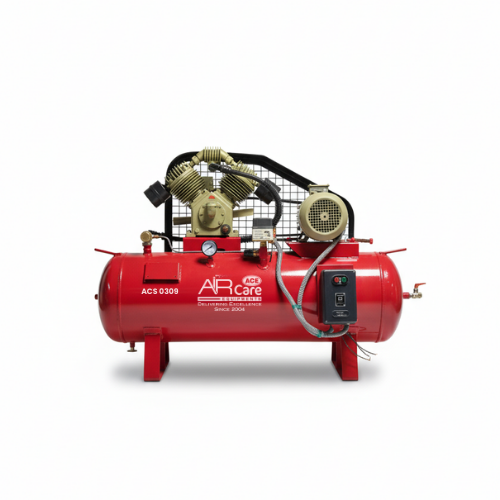
2. Piston Air Compressor
A Piston Air Compressor uses reciprocating pistons to compress air inside cylinders.
Advantages:
Suitable for moderate airflow requirements.
Available in various pressure capacities.
Commonly used for smaller medical and dental applications.
3. Screw Type Air Compressor
A Screw Type Air Compressor uses two rotating screw elements to produce compressed air continuously.
Advantages:
Continuous airflow
Lower vibration
Suitable for larger healthcare facilities
Consistent pressure output
4. Rotary Screw Compressors
Rotary Screw Compressors are designed for continuous-duty compressed air applications where reliable airflow is important.
They are commonly used in:
Large hospitals
Medical manufacturing
Healthcare institutions
Pharmaceutical facilities
5. High Pressure Air Compressors
High Pressure Air Compressors are used when medical applications require compressed air at higher operating pressures.
The correct pressure should always match the equipment manufacturer's specifications.
Medical Air Compressor Applications
Medical air compressors are used across various healthcare sectors.
Hospitals
Compressed air supports respiratory equipment, operating theatres, ICU equipment, and other medical systems.
Dental Clinics
Dental units use compressed air for drills, cleaning equipment, and dental instruments.
Diagnostic Laboratories
Laboratories use compressed air for analytical instruments and laboratory equipment.
Pharmaceutical Manufacturing
Clean compressed air is used in selected pharmaceutical production and packaging processes.
Medical Research Facilities
Research laboratories often require reliable compressed air for specialized equipment.
Key Features to Look for Before Buying
When purchasing a Medical Air Compressor, evaluate these important features.
Oil-Free Air Compression
Oil-free technology helps minimize the risk of oil contamination in compressed air systems.
Air Quality System
A medical compressor should include appropriate filtration and drying equipment based on application requirements.
Air Receiver Tank
An Air Receiver Tank stores compressed air and helps maintain stable pressure throughout the system.
Low Noise Operation
Quiet compressors are often preferred for hospitals, clinics, laboratories, and indoor installations.
Continuous Operation Capability
Healthcare facilities may require compressors capable of operating for extended periods with dependable performance.
Energy Efficiency
Energy-efficient compressors can help reduce long-term operating costs when matched correctly to demand.
Automatic Controls
Modern systems often include pressure monitoring, automatic start/stop controls, alarms, and safety features.
Why Is an Air Receiver Tank Important?
An Air Receiver Tank is an important part of a medical compressed air system.
Its benefits include:
Stores compressed air.
Stabilizes system pressure.
Supports peak air demand.
Reduces compressor cycling.
Helps remove moisture before downstream treatment.
The receiver should always be correctly sized according to airflow demand and operating pressure.
How to Choose the Right Medical Air Compressor
Before selecting a compressor, consider the following.
Air Flow Requirement
Calculate the total compressed air requirement for all connected medical equipment.
Operating Pressure
Choose a compressor that matches the pressure required by your medical devices.
Compressor Capacity
Select the compressor based on CFM demand and future expansion requirements.
Duty Cycle
Determine whether the compressor will operate intermittently or continuously.
Air Quality Requirements
Healthcare applications often require clean, dry compressed air with appropriate filtration.
Installation Space
Consider ventilation, available floor space, accessibility, and noise levels.
Maintenance Support
Choose equipment that offers reliable spare parts and technical service support.
Medical Air Compressor vs Industrial Air Compressor
Although both systems compress air, medical compressors are designed for applications where air quality and reliability are especially important.
Feature | Medical Air Compressor | |
Air quality | Clean, filtered and dried air | Depends on industrial application |
Oil-free options | Commonly used | Available depending on application |
Application | Healthcare and medical equipment | Manufacturing and industrial machinery |
Filtration | Advanced air treatment | Application-dependent |
Reliability | Designed for critical applications | Depends on industrial process |
Maintenance Tips
Regular maintenance helps ensure consistent performance.
Replace air filters on schedule.
Drain moisture from the receiver tank.
Inspect pressure gauges and safety valves.
Check air dryers and filtration systems.
Monitor operating pressure.
Inspect hoses and pipelines for leaks.
Follow the manufacturer's preventive maintenance schedule.
Why Choose Air Care Equipment?
Air Care Equipment provides compressed air solutions for healthcare and industrial applications.
Its product range includes:
Medical Air Compressors
Piston Air Compressors
Screw Type Air Compressors
Rotary Screw Compressors
High Pressure Air Compressors
Air Receiver Tanks
Compressed Air Dryers
Industrial Air Compressors
The company offers customized solutions based on airflow requirements, operating pressure, application type, and installation needs.
Frequently Asked Questions
What is a Medical Air Compressor used for?
A Medical Air Compressor supplies clean compressed air for hospitals, dental clinics, laboratories, diagnostic centers, pharmaceutical facilities, and other healthcare applications.
Which type of Medical Air Compressor is best?
The best compressor depends on airflow, pressure, duty cycle, and air-quality requirements. Oil-free piston and rotary screw compressors are commonly used for different healthcare applications.
Why is an Air Receiver Tank required?
An Air Receiver Tank stores compressed air, stabilizes pressure, supports peak demand, and helps improve overall compressed air system performance.
What is the difference between a Piston Air Compressor and a Screw Type Air Compressor?
A Piston Air Compressor uses reciprocating pistons and is suitable for moderate or intermittent air demand, while a Screw Type Air Compressor uses rotating screw elements to provide continuous compressed air for larger facilities.
Conclusion
Choosing the right Medical Air Compressor is important for maintaining a reliable and clean compressed air supply in healthcare facilities. Factors such as airflow capacity, operating pressure, oil-free technology, filtration system, Air Receiver Tank size, energy efficiency, and maintenance support should all be considered before purchasing.
Whether your facility requires a Piston Air Compressor, Screw Type Air Compressor, Rotary Screw Compressor, or High Pressure Air Compressor, selecting a system that matches your medical application helps ensure dependable performance and long-term efficiency.
Air Care Equipment offers customized medical compressed air solutions designed for hospitals, clinics, laboratories, pharmaceutical facilities, and other healthcare applications.



Comments