


How to Choose the Right Screw Type Air Compressor for Your Industry

Choosing the right screw type air compressor is one of the most impactful decisions you can make for your plant’s productivity, energy bills, and uptime. Unlike smaller workshop units, industrial compressors run for thousands of hours each year, so even small mismatches in capacity, pressure, or air quality can lead to frequent breakdowns, poor tool performance, and wasted electricity. This guide explains how to select a rotary screw compressor that fits your actual demand, compares it with piston air compressor technology, and highlights where high pressure air compressors and medical air compressor systems fit into the picture—especially if you’re evaluating air compressor manufacturers in Delhi NCR.
Why Industries Prefer Screw Type Air Compressors
Rotary screw compressors have become the default choice for continuous-duty applications across manufacturing, automotive, textiles, food processing, and pharma. Their design uses two intermeshing helical rotors (male and female) that trap and compress air as they rotate, delivering a smooth, non-pulsating flow.
Key advantages over reciprocating (piston) compressors include:
100% duty cycle: Screw units can run continuously without overheating, making them ideal for 1–2 shift and 24/7 operations.
Lower vibration and noise: Continuous compression reduces mechanical stress, bearing wear, and noise levels in the shop floor.
Better energy efficiency at scale: For higher CFM requirements, screw compressors typically deliver more air per kW, especially with variable speed drive (VSD) options.
Reduced maintenance: Fewer wearing parts and longer service intervals translate into lower lifecycle costs despite a higher initial price.
If your facility runs multiple shifts, depends on pneumatic tools, or needs stable pressure for sensitive processes, a screw type air compressor is usually the right starting point.
Step 1: Define Your True Air Demand (CFM and PSI)
The most common mistake is sizing a compressor based on nameplate ratings of individual tools instead of real simultaneous demand. Start by listing every air-consuming device, its CFM at the required operating pressure (PSI or bar), and how often it runs. Then estimate peak simultaneous usage, not just the sum of all tools.
Practical approach:
Measure or estimate CFM for each tool at actual working pressure.
Identify which tools run together during peak production.
Add a 25–30% safety margin for future expansion, leaks, and pressure drop in piping.
Fix your required discharge pressure based on the highest-pressure application.
Undersized compressors cause pressure drops and tool stalling; oversized units waste energy through excessive unloading and cycling.
Step 2: Match Compressor Technology to Duty Cycle
Not all compressors are built for the same workload. Your duty cycle—how many hours per day the compressor runs—should drive your technology choice.
Intermittent use (<4 hours/day): A piston air compressor may be sufficient for small workshops, garages, or occasional blasting. These are cheaper upfront but less efficient for long run times.
Regular daily use (1–2 shifts): Oil-injected rotary screw compressors offer the best balance of reliability, efficiency, and maintenance cost.seller.alibaba+1
Continuous or 24/7 operation: Consider VSD screw compressors that adjust motor speed to match demand, reducing energy consumption by 20–35% in variable-load plants.
Oil-sensitive processes: For food, pharma, electronics, or packaging, choose oil-free screw compressors or add high-efficiency filtration and dryers to meet ISO 8573-1 air-quality classes.
Step 3: Decide on Air Quality and Purity Class
Compressed air quality is defined by ISO 8573-1 classes for particles, water, and oil. Your application dictates how clean the air must be.
General manufacturing: Standard filtration and refrigerated dryers often suffice.
Paint spraying, instrumentation, or precision pneumatics: Require lower dew points and finer particulate filtration.
Medical air compressor systems: Must be oil-free, with stringent drying, filtration, and compliance with medical-gas standards. Screw technology is common in hospital plants because it supports continuous duty with stable pressure and purity.
Work with your supplier to specify the right combination of dryers, filters, and drains to achieve your target air-quality class.
Step 4: High Pressure vs. Standard Pressure Requirements
Most industrial screw compressors deliver 7–13 bar (100–190 psi), which covers the majority of pneumatic tools and processes. However, some applications need significantly higher pressures.
High pressure air compressors are used in PET preform blowing, leak testing, cylinder filling, and certain process lines.
Options include dedicated high-pressure screw units or a standard screw compressor paired with a booster to reach the required pressure.
Ensure all downstream components (receivers, dryers, piping) are rated for the maximum system pressure.
Selecting the correct pressure range avoids unnecessary energy consumption and equipment stress.
Step 5: Evaluate Energy Efficiency and Total Cost of Ownership
Electricity typically accounts for 70–80% of a compressor’s lifetime cost. That makes energy efficiency as important as purchase price.seller.
When comparing models:
Calculate annual energy cost using local tariff, expected run hours, and motor power.
Prefer IE3/IE4 premium-efficiency motors and VSD drives where load varies.
Include maintenance costs: filters, separator elements, lubricants, and service labor.
Consider potential downtime costs if reliability is poor.seller.
A slightly more expensive, efficient screw type air compressor often pays for itself within 2–3 years through energy savings alone.
Step 6: Plan Installation, Controls, and Support
Proper installation and controls maximize performance and lifespan.
Ensure adequate ventilation and ambient temperature control to prevent overheating.
Provide enough space for routine service and component replacement.
Use intelligent controllers with remote monitoring, load/unload optimization, and multi-compressor sequencing if you operate a compressor room.
Choose a supplier with strong after-sales support, genuine spares, and quick response times.seller.
If you’re shortlisting air compressor manufacturers in Delhi NCR, verify their service network and ability to support your specific industry.
Screw vs. Piston: Quick Comparison
Sizing Support Components: Receivers, Dryers, and Filters
A well-designed compressed air system includes more than just the compressor. Receiver tanks stabilize pressure and reduce cycling; dryers control moisture; filters remove particles and oil. For detailed guidance, refer to this resource on what is an air receiver: functions, types, and sizing guide. Properly sized support equipment improves reliability, air quality, and energy efficiency across your plant.
To understand how compressed air powers different processes, explore the 7 most common uses of industrial air compressors across sectors like manufacturing, automotive, and packaging. Knowing these applications helps you align your compressor selection with real-world process demands.atlascopco
If you’re comparing brands, this top 10 air compressor manufacturers in India (2026 buyer’s guide) provides an overview of leading players, helping you evaluate capabilities, product ranges, and after-sales support before finalizing a vendor.
For a focused look at rotary screw compressors, review insights on top rotary screw air compressor manufacturers in India to identify suppliers with proven expertise in screw technology, VSD options, and oil-free solutions.
Understanding core components is equally critical. This guide to air compressor parts breaks down key elements like rotors, separators, filters, and coolers, so you can speak confidently with vendors and plan maintenance schedules.
Finally, for processes sensitive to moisture—such as painting, instrumentation, or pharmaceuticals—mastering dew point is essential. Learn more in this complete guide to pressure dew point (PDP) and compressed air dew point control, which explains how to select dryers and set dew-point targets that protect your tools and products.
Choosing the Right Manufacturer in Delhi NCR
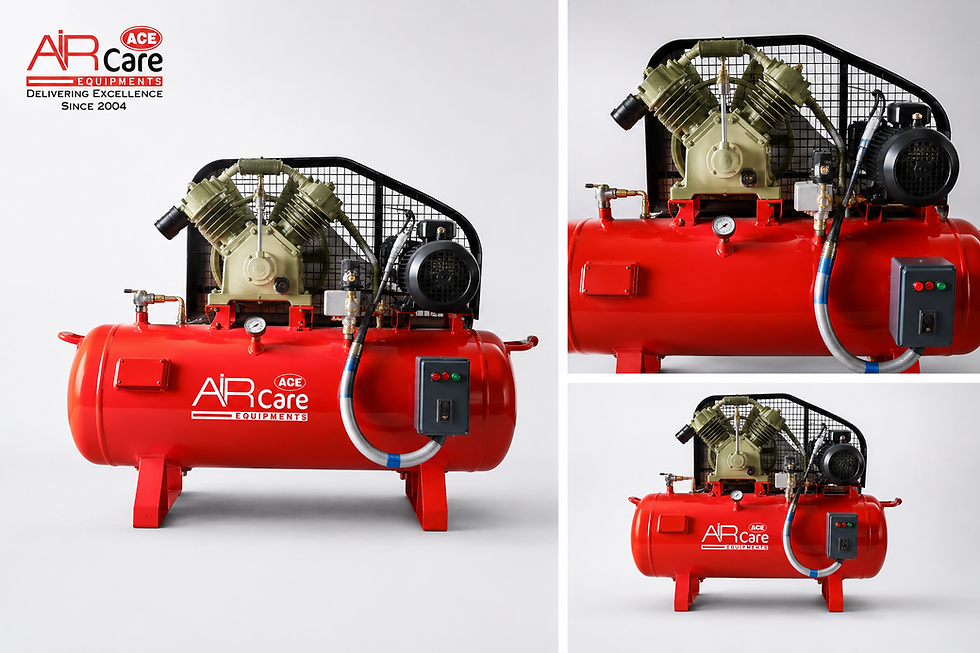
When evaluating air compressor manufacturers in Delhi NCR, look beyond price. Prioritize verified manufacturing capability, industry references, warranty terms, and after-sales service. Air Care Equipment supplies and supports rotary screw compressors across sectors, helping you select the right capacity, pressure, and air-treatment package for your specific process needs.
By following this structured approach—defining demand, matching technology to duty cycle, specifying air quality and pressure, and factoring in energy and support—you can choose a screw type air compressor that delivers reliable, cost-effective performance for years.



Comments