


Air Compressor Tank: Types, Working, Benefits & Sizing Guide 2026

An Air Compressor Tank is an important component of a compressed air system. It stores compressed air, helps maintain stable pressure, supports sudden increases in air demand, and can reduce unnecessary compressor cycling. Choosing the right tank size is essential for maintaining reliable system performance and efficient compressed air delivery.
For industries using a screw compressor, reciprocating compressor, or other compressed air equipment, the receiver tank should be selected according to compressor capacity, operating pressure, air demand, and application requirements.
What Is an Air Compressor Tank?
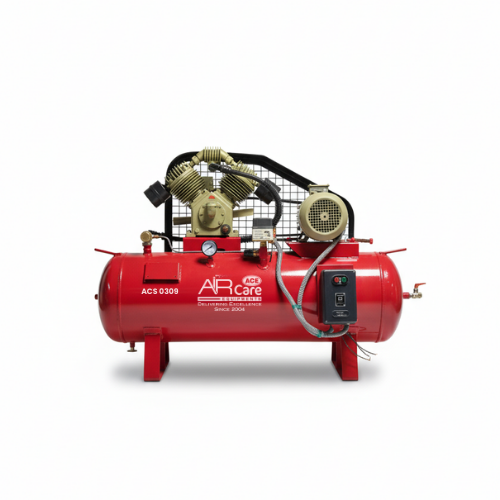
An Air Compressor Tank, also called an air receiver tank or compressed air receiver, is a pressure vessel designed to store compressed air after it leaves the compressor.
The stored air can be supplied to equipment when demand temporarily exceeds the compressor's immediate output.
A properly selected receiver can help:
Store compressed air
Stabilize system pressure
Handle short-term peak demand
Reduce compressor cycling
Improve system response
Support moisture separation
Provide a reserve of compressed air
Air receiver tanks are commonly used in manufacturing plants, workshops, automotive facilities, engineering industries, and other compressed air applications
How Does an Air Compressor Tank Work?
The operating process is relatively simple:
Compressor → Air Receiver Tank → Air Treatment → Distribution System → End-Use Equipment
The compressor produces compressed air and sends it into the receiver. As the tank fills, pressure increases until the compressor reaches its specified cut-out pressure.
When downstream equipment consumes air, tank pressure gradually decreases. Depending on the compressor control system, the compressor starts or increases output when additional air is required.
This process helps provide a more stable supply of compressed air to connected equipment.
Types of Air Compressor Tanks
Different receiver configurations are available depending on installation and application.
Horizontal Air Receiver Tank
Horizontal tanks are useful where the installation area has limited vertical clearance. They are commonly used with stationary compressors and industrial systems.
Vertical Air Receiver Tank
Vertical tanks occupy less floor space and are suitable where ceiling height allows vertical installation. They are often preferred when floor space is limited.
Primary Air Receiver
A primary receiver is generally installed near the compressor and helps manage compressor output and system pressure.
Secondary Air Receiver
A secondary receiver may be installed closer to high-demand equipment to provide additional local storage and support pressure stability.
Air Compressor Tank vs Compressor
A compressor produces compressed air, while the tank stores it.
The compressor is responsible for generating pressure and air flow. The receiver provides storage and helps balance variations between air production and consumption.
For example, a cfm compressor may produce a specific volume of air per minute, while the receiver provides additional stored capacity when short-term demand increases.
Both components work together as part of a complete compressed air system.
Role of Different Types of Air Compressors
There are several types of air compressor technologies, including reciprocating, rotary screw, centrifugal, and other specialized designs.
Reciprocating Compressor
A reciprocating air compressor uses pistons moving inside cylinders to compress air. It can be suitable for intermittent operation and applications requiring relatively high pressure.
Screw Compressor
A screw compressor uses rotating screw elements to continuously compress air. It is commonly used in manufacturing and industrial environments where a steady supply of compressed air is required.
Two Stage Air Compressor
A two stage air compressor compresses air in two successive stages. This configuration can provide higher pressure and improved compression efficiency for suitable applications.
The receiver tank can be used with different compressor technologies, provided the tank is correctly selected for the system's operating pressure and flow requirements.
How to Size an Air Compressor Tank
Correct sizing is important for efficient compressed air system operation. There is no single tank size suitable for every compressor.
Consider these factors:
Compressor Capacity
Determine the compressor's output in CFM or another applicable flow measurement.
Operating Pressure
The tank's pressure rating must be appropriate for the maximum operating pressure of the compressed air system.
Air Demand
Evaluate whether demand is continuous, intermittent, or subject to sudden peaks.
Compressor Control
The compressor's control method can influence the required receiver capacity.
Application
Equipment with short periods of high air consumption may require additional receiver capacity.
Available Space
Installation conditions may influence whether a horizontal or vertical tank is more practical.
For safety and compliance, the receiver should always be selected and installed according to applicable pressure-vessel regulations and manufacturer specifications.
Benefits of an Air Compressor Tank
1. Pressure Stabilization
The receiver provides a buffer of compressed air, helping reduce rapid pressure fluctuations.
2. Peak Demand Support
Stored air can help supply short periods of increased demand without requiring an immediate increase in compressor output.
3. Reduced Compressor Cycling
Adequate storage can help reduce frequent starts and stops in appropriately controlled systems.
4. Improved System Efficiency
Properly sized storage can help the compressor operate more effectively under varying demand conditions.
5. Moisture Separation
As compressed air cools inside the receiver, some moisture can condense and settle at the bottom. Regular condensate drainage is essential.
What Does FRL Mean?
In compressed air systems, FRL full form is Filter, Regulator, Lubricator.
An FRL unit is generally installed near pneumatic equipment to condition compressed air before it reaches the application.
Filter: Removes contaminants and moisture.
Regulator: Controls air pressure.
Lubricator: Adds a controlled amount of lubricant when required by suitable pneumatic equipment.
Not every modern pneumatic application requires a lubricator, so the FRL configuration should be selected according to equipment requirements.
Air Receiver Tank Maintenance
Regular maintenance helps ensure safe and reliable operation.
Important practices include:
Drain accumulated condensate regularly.
Inspect the tank for corrosion.
Check pressure gauges and safety devices.
Inspect valves and connections.
Look for air leaks.
Follow manufacturer inspection recommendations.
Comply with applicable pressure-vessel inspection requirements.
Never exceed the tank's rated pressure or modify pressure-vessel components without qualified professional guidance.
Why Choose Air Care Equipment?
Air Care Equipment provides compressed air and industrial equipment solutions for various applications. Its product range includes air compressors, air receiver tanks, compressed air dryers, oil-free air compressors, screw compressors, reciprocating compressors, and other industrial equipment.
When selecting an Air Compressor Tank, the company can help customers evaluate factors such as compressor capacity, operating pressure, air demand, application requirements, and installation conditions.
Frequently Asked Questions
What is an Air Compressor Tank?
An Air Compressor Tank is a pressure vessel used to store compressed air and balance differences between air production and consumption.
How do I choose the right air receiver tank size?
Tank size depends on compressor capacity, operating pressure, air demand, compressor control method, peak demand, and application requirements. Professional sizing is recommended for industrial systems.
Is an air receiver necessary for every compressor?
Not necessarily. However, receiver storage can provide important benefits for many compressed air systems, particularly those with variable or intermittent demand.
A screw compressor uses rotating screw elements and is generally suited to continuous compressed air demand, while a reciprocating compressor uses pistons and can be suitable for intermittent or higher-pressure applications.
Conclusion
An Air Compressor Tank plays an important role in maintaining stable and reliable compressed air supply. It provides storage, supports peak demand, reduces unnecessary compressor cycling, and can assist with moisture separation.
Selecting the correct receiver requires careful consideration of compressor CFM, operating pressure, air demand, compressor type, control method, and application requirements.
Whether you use a screw compressor, reciprocating compressor, or two-stage air compressor, properly designed compressed air storage can contribute to a more reliable and efficient compressed air system. Air Care Equipment can provide suitable compressed air equipment and solutions based on individual industrial requirements.



Comments