


The Ultimate Guide to Medical Air Compressors: Everything You Need to Know
In modern healthcare, patient recovery relies as much on invisible life-support engineering as it does on clinical expertise. Behind every mechanical ventilator, operating room, and dental chair is a continuous supply of medical-grade air.
While industrial compressors prioritize raw output and mechanical torque, healthcare environments require absolute purity. Any compromise in air quality can introduce harmful toxins or moisture directly into a patient’s respiratory system. To maintain these stringent standards, hospitals partner with elite industrial providers like Air Care Equipment to design, install, and maintain fail-safe medical pneumatic networks. Quick Answer
A medical air compressor is a specialized, highly regulated pneumatic machine engineered to deliver clean, dry, and contaminant-free compressed air for critical healthcare operations. These systems power hospital ventilators, surgical instruments, and laboratory analyzers. Unlike standard industrial models, they must strictly eliminate oil, moisture, and pathogens to protect patient safety.
IndiaMART
What is a Medical Air Compressor?
A medical air compressor is a specialized device that draws in ambient room air, compresses it to precise operating pressures, and scrubs it through multi-stage filtration and drying subsystems.
Designed to act as the beating heart of a hospital's Medical Gas Pipeline System (MGPS), a medical compressor focuses on total uptime, uninterrupted reliability, and zero contamination. It ensures that clinicians have constant access to breathable air and dependable utility power for pneumatic instruments.
How Does a Medical Air Compressor Work?
The engineering behind a medical air compressor is structured around rigorous purification milestones:
Ambient Air Intake: High-grade intake filters trap atmospheric dust, pollen, and large particulate matter before air enters the system.
Compression Stage: The air is compressed using advanced mechanisms—such as oil-free scroll blocks or a heavy-duty reciprocating air compressor assembly.
Cooling and Moisture Control: High-pressure compression generates intense heat and humidity. Aftercoolers and refrigerated or desiccant air dryers drop the dew point to prevent condensation and bacterial growth inside hospital pipelines.
Multi-Stage Filtration: Before distribution, the air passes through coalescing filters, particulate filters, and catalytic converters to strip out carbon monoxide, hydrocarbons, and residual odors.
Storage and Delivery: The pharmaceutical-grade air is stored in certified, anti-corrosion receiver tanks, ready for immediate clinical deployment.
Key Applications in Modern Healthcare
Medical air compressors are vital across multiple medical specialties:
Ventilators and Respiratory Support: They mix compressed air with oxygen to deliver precise, life-sustaining gas flows to patients facing respiratory failure or undergoing general anesthesia.
Pneumatic Surgical Tools: Many orthopedic and neurosurgical instruments run on compressed air rather than electricity to completely eliminate spark hazards in sterile operating theaters.
Dental Clinics: Dentists rely on clean, oil-free air to run high-speed drills, air-water syringes, and intraoral cleaners safely.
Laboratory Diagnostics: Pathology labs use clean pneumatic pressure to drive automated blood analyzers, mass spectrometers, and sample preparation loops.
Major Types of Medical Air Compressors
Depending on the size of the healthcare facility, different compressor technologies are utilized:
1. Oil-Free Scroll Compressors
Utilizing interlocking spiral scrolls, these systems operate at ultra-low noise levels and completely remove lubricating oil from the compression chamber. They are ideal for smaller clinics, dental setups, and ICUs where quiet performance and absolute purity are required.
2. Rotary Screw Compressors
Built for large-scale hospital networks, rotary screw configurations deliver a high-volume, steady stream of compressed air to central plant piping, supporting multiple operating rooms simultaneously.
3. Reciprocating Air Compressor Systems
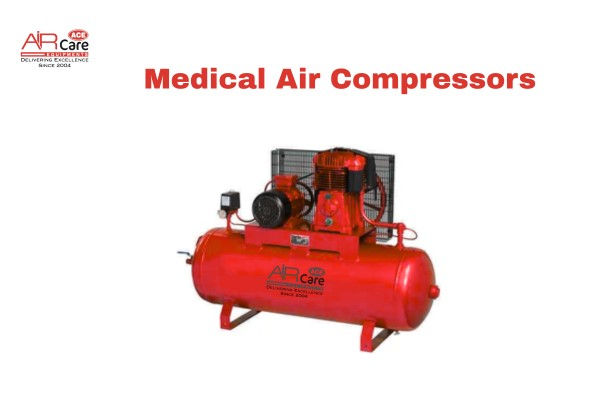
A reciprocating air compressor uses pistons driven by a crankshaft to achieve high-pressure output. In medical contexts, these are engineered as specialized oil-less piston systems, serving as robust workhorses for medium-sized hospitals, mobile surgical units, and device manufacturing plants.
Choosing the Right Medical Air Compressor
When engineering or upgrading hospital infrastructure, facility managers look for the best air compressor that offers high energy efficiency, built-in redundancy, and strict adherence to international standards like NFPA 99 and ISO 7396-1.
Sourcing infrastructure from reputable regional industrial hubs—such as trusted air compressor manufacturers in delhi ncr like Air Care Equipment—ensures rapid technical deployment, localized maintenance contracts, and complete compliance with health regulations.
Conclusion
A medical air compressor is much more than a routine utility machine; it is a foundational pillar of patient safety. From powering critical care ventilators to driving precise surgical tools, these devices protect lives every second of the day. Investing in certified, high-purity systems from dependable providers guarantees continuous reliability when it matters most.
Frequently Asked Questions (FAQs)
1. Why must a medical air compressor be 100% oil-free?
Medical air compressors feed air straight into patient lungs or sterile surgical zones. If oil, grease, or hydrocarbon aerosols enter the airline, they can cause chemical pneumonia, severe lung damage, or contaminate sterile surgical tools, posing a direct threat to patient health.
2. How do industrial and medical air compressors differ?
While both compress gases, standard industrial compressors are built for heavy factory work where mechanical lubrication oil and minor moisture are acceptable. Medical compressors use specialized oil-less architecture, high-grade desiccant dryers, and advanced filtration to produce pharmaceutical-grade breathable air.
3. How frequently should medical air compressor filters be serviced?
Intake filters, line filters, and desiccant elements generally require inspection every 3 to 6 months and complete replacement based on operational hours (typically once a year) to avoid moisture accumulation and preserve absolute air purity.


Medical air compressors demonstrate how specialised engineering systems support different functions within healthcare facilities. Air purity, equipment reliability and appropriate maintenance are particularly important for pneumatic applications. Surgical departments also use other energy technologies, including electrical surgical systems. Reviewing diathermy machines and electrosurgical generators provides a useful comparison of a separate equipment category used in operating rooms.